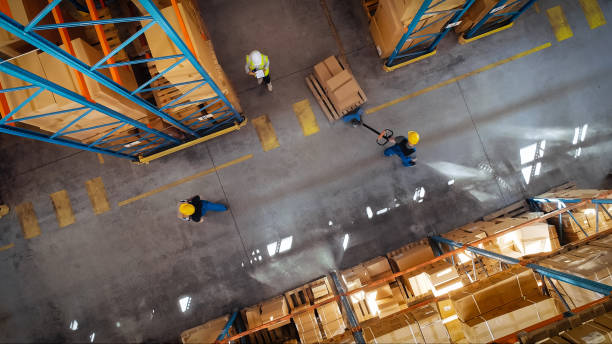
If you’ve ever wondered how your favorite store always seems to have what you want or how big brands manage to deliver thousands of orders daily without total chaos you’ve already seen the quiet work of a supply chain analyst.
Most people never think about what happens behind the scenes, but trust me, there’s a lot going on. A supply chain analyst is the person who makes sure all those moving pieces materials, shipments, suppliers, warehouses stay in sync.
It’s not a flashy job title. You don’t see them in commercials or at product launches. But without them, entire operations would fall apart.
The Heart of the Job
A supply chain analyst looks at how things move literally. From raw materials to finished goods, from supplier to customer, they track, study, and improve every step.
Here’s the thing: every company that sells or ships anything depends on the supply chain. And that chain can break easily. Delays, shortages, shipping errors you name it. Analysts are the people spotting those cracks early and figuring out how to prevent them from spreading.
Their work is part detective story, part puzzle, and part strategy game.
They dive into data to find out where things slow down, what’s wasting money, and what could run smoother. Then, they go back to the table with recommendations that can save time, cost, and sometimes an entire product line.
A Day in Their Shoes
No two days look exactly alike, but here’s a glimpse.
A supply chain analyst might start their morning scanning dashboards watching shipping statuses, stock levels, or order fulfillment reports. If a factory shipment is late or a warehouse is running low on inventory, they’ll notice it before anyone else.
By midday, they’re often sitting with the operations or procurement team, going through what’s working and what isn’t. Maybe a new supplier isn’t hitting deadlines. Maybe freight costs are climbing.
And later, they might run data forecasts predicting demand for next month or next season, based on what customers are buying right now.
It’s a job that demands sharp attention to detail, but also the ability to step back and see the big picture.
Skills That Separate the Great from the Good
Being a strong supply chain analyst isn’t just about spreadsheets and reports. It’s about connecting dots and having the patience to keep digging when things don’t add up.
Here are a few traits you’ll see in top performers:
- Curiosity. They don’t stop at surface-level answers. If delivery times are slipping, they want to know why.
- Clear communication. They translate technical jargon into plain language so everyone from warehouse managers to executives gets it.
- Problem-solving mindset. They don’t complain about issues; they look for fixes.
- Tech fluency. They’re comfortable with analytics software, ERP systems, and tools that track logistics in real time.
- Strategic thinking. They’re always thinking ahead anticipating problems instead of reacting to them.
It’s not a role that gets much glory, but it’s one that keeps companies moving forward.
Why Supply Chain Analysts Matter So Much
Think about this: a single weak link in the supply chain can cost millions.
A late delivery. A warehouse shortage. A bad forecast.
That’s where analysts prove their worth. They help companies save money, improve efficiency, and keep customers happy.
For instance, if a business is constantly running out of stock on certain products, an analyst can trace the issue to its source maybe the order cycle is too long, or the demand forecast is outdated. Their insights don’t just fix problems; they prevent them.
That kind of foresight can be the difference between success and a costly mistake.
The Tools of the Trade
A supply chain analyst’s desk isn’t just covered in reports it’s powered by data.
They use tools like:
- ERP systems (like SAP or Oracle) to monitor supply and production.
- Data visualization platforms like Power BI or Tableau.
- Excel, still the universal favorite for deep dives and modeling.
- Forecasting tools that use AI or historical data to predict demand.
But even with the best technology, the analyst’s value lies in interpretation. Computers show what happened. Analysts explain why and what should happen next.
The Bigger Impact
Here’s what many people miss: supply chain analysts don’t just work behind the scenes. They directly influence strategy.
Their findings can shape how a business invests, where it expands, and how it competes.
- Operations become more efficient.
- Finance teams gain visibility into true costs.
- Executives make smarter decisions backed by hard data.
At Forysta Group, for example, our analysts often help companies redesign entire logistics systems saving both time and budget without sacrificing reliability.
That’s the quiet power of this profession.
A Quick Example
A few years ago, a mid-sized manufacturer couldn’t figure out why shipping costs were spiraling. Their logistics team was convinced it was fuel prices.
But one analyst noticed something small trucks were leaving half full.
She suggested consolidating orders and rescheduling shipments for better truck utilization. Within a quarter, costs dropped by nearly 18%.
That’s one person’s insight saving hundreds of thousands of dollars and restoring profitability.
Why It’s a Career on the Rise
As global supply chains grow more complex, analysts are becoming irreplaceable.
Companies want to be faster, leaner, and smarter and that takes data-backed decision-making. That’s where supply chain analysts shine.
Whether it’s dealing with post-pandemic disruptions, sustainability pressures, or global sourcing challenges, their analytical eye keeps things balanced.
Wrapping It Up
So, what does a supply chain analyst do?
They make the invisible, visible.
They’re the thinkers who connect every moving piece in the business puzzle ensuring that products arrive, customers are satisfied, and operations stay profitable.
They’re not just data crunchers. They’re the people who quietly make sure everything works as it should.
At Forysta Group, we see this every day. Behind every smooth operation is a sharp mind, analyzing, optimizing, and improving what others overlook.
Because strong supply chains don’t just happen they’re built by people who understand how every link fits together