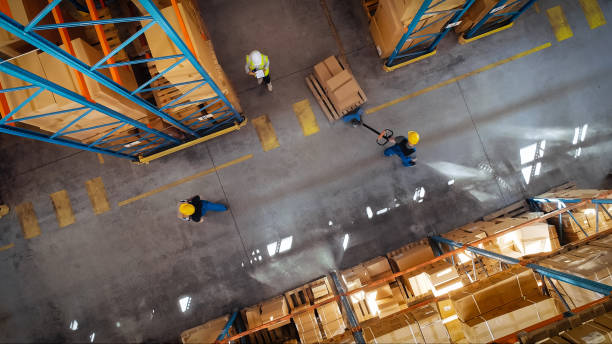
Most people hear the term Supply Chain & Logistics Network Engineering and think it’s something only Fortune 500 companies worry about. Truth is, it affects almost every business that moves, stores, or delivers goods whether you’re a manufacturer, distributor, or even a growing e-commerce shop.
So what is it, really? In plain English, it’s the science of designing how products flow from suppliers, through warehouses, to your customer’s hands. If your supply chain is the “body,” network engineering is the nervous system the part that keeps everything connected, reacting, and working smoothly.
The Core Idea
Think about it like this:
- Supply chain is the big picture raw materials to final delivery.
- Logistics is the movement part trucking, warehousing, shipping.
- Network engineering is the planning and design that makes sure all of this works together, instead of working against each other.
It’s about asking questions like: Where should my warehouses be? What’s the cheapest route to deliver in two days? How do I avoid running out of stock in one region while another has too much?
Why It’s Such a Big Deal
Here’s a quick reality check: supply chains are messy. Costs go up and down, demand changes by the season, fuel prices jump overnight, and global events well, we’ve all seen how they can throw everything off.
If you’re not engineering your logistics network, you’re constantly reacting. And when you’re reacting, you’re usually paying more, delivering slower, or letting competitors get ahead.
Businesses that invest in network design don’t just save money. They get predictable operations, better customer reviews, and far fewer headaches.
What It Looks Like in Action
Let me give you a simple example.
A regional distributor based in South Carolina was shipping all orders out of one warehouse near Simpsonville. Great for local clients, but West Coast deliveries? Too slow, too expensive. Customers started complaining.
After running a logistics network analysis, they realized opening a small distribution hub in Texas would cut shipping times to western states almost in half and reduce transport costs by a quarter. Suddenly, their two-day delivery promise was realistic everywhere and customer satisfaction spiked.
That’s network engineering at work: small strategic changes with massive ripple effects.
The Steps Usually Involved
It’s not just one decision it’s a process. Typically, businesses:
- Map the existing network (where suppliers, warehouses, and customers are).
- Dig into the data shipping times, inventory patterns, transportation costs.
- Model “what if” scenarios like opening a new facility, switching carriers, or changing stocking strategies.
- Design improvements that balance cost, speed, and reliability.
- Keep refining because supply chains never sit still.
The Payoff
Done right, logistics network engineering delivers results you actually feel:
- Lower transportation spend
- Shorter delivery times
- Better balance of inventory across regions
- More resilience when things go wrong (supplier delays, weather, fuel hikes)
- And, for many businesses now, a smaller carbon footprint since optimized routes burn less fuel
It’s not just “operations work.” It’s strategy.
Why 2026 Businesses Can’t Ignore It
Customer expectations aren’t slowing down. Everyone wants faster delivery, real-time updates, and cheaper shipping. Add in global supply disruptions and rising costs, and it’s clear: supply chains that aren’t engineered will struggle.
The companies staying competitive are the ones treating their supply chain like a living system that needs tuning, not a fixed machine.
Final Take
So when someone asks, “What is Supply Chain & Logistics Network Engineering?” the simple answer is: it’s the art and science of designing your supply chain so it works better, costs less, and adapts faster.
And it’s not just for giants like Amazon. Mid-sized businesses, regional distributors, even local companies in Simpsonville, SC can see huge gains by taking a strategic look at their logistics setup.
At Forysta Group, this is exactly the kind of work we do. We help businesses stop “getting by” with their supply chain and start engineering it for performance.
Because when your logistics network is built right, everything else in your business runs smoother.